Arise: Lessons from Solo Levelling for Software Engineers
In this anime, the protagonist Sung Jin-woo starts by fighting monsters. Initially, he’s weak relative to his peers. However, he receives a unique opportunity to grow stronger, gradually becoming an exceptional fighter. Eventually, he gains the ability to raise defeated enemies as Shadows, who fight alongside him. These Shadows fight autonomously, allowing him to step back. Is this where his strength stagnates? No, it accelerates.

In software engineering, we can use LLM-based tooling to augment ourselves. This has been the case for some time. Many of us tried these tools in their infancy and decided they were more of a hindrance than a help, an opinion I shared. With the advancements in tools like Cursor AI and refined language models, should we continue to dismiss their usefulness and not re-evaluate?
As Sung encounters more challenging dungeons, using his Shadow army becomes more valuable. From his new capability, Sung learns new skills, such as instructing and strategising. Just like an engineer who gains time by leveraging gen AI to handle the mundane, Sung’s reliance on his Shadow army becomes an enabler for personal growth.
The world is speeding up, and the amount of information thrust into our view is accelerating. Time spent reading, comprehending, and digesting articles in the era of digital information is on the decline and will continue to fall. Why, you ask? Because there’s a limit to how fast we can absorb information, and there’s already too much. There’s so much of it that our default reading style is skimming through information, often missing nuance. We are trying to drink from a firehose each day. We’re burnt out, not from overworking, but from overstimulation.
The next layer of abstraction
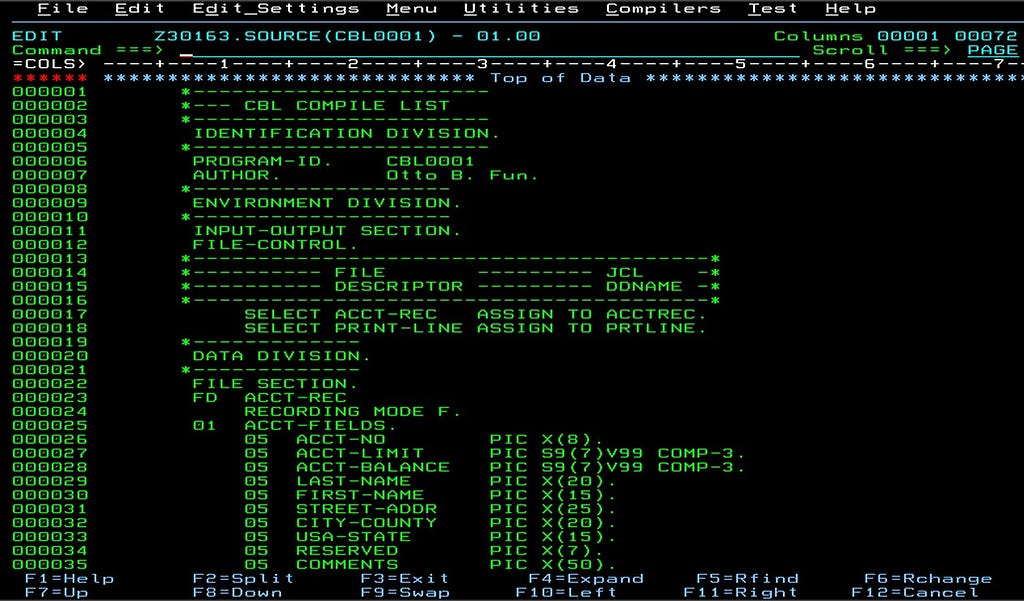
Programming has drastically changed over the past 70 years, from punch cards to assembly to OOP languages. Most developments are an abstraction over the previous instructions, and I’m sure we’re all happy about not having to use punch cards, waiting hours to retest our logic. However, over this period, there were many who shunned the changes that got us to this point; they resisted and rebelled against it.
When our worldview is challenged by something that we believe impacts our value addition, we choose ignorance. We measure our productivity by keystrokes, not by the quality of our ideas or the creativity behind our solutions. We’ve been conditioned this way, but original thought and novel ideas are what true productivity really is.
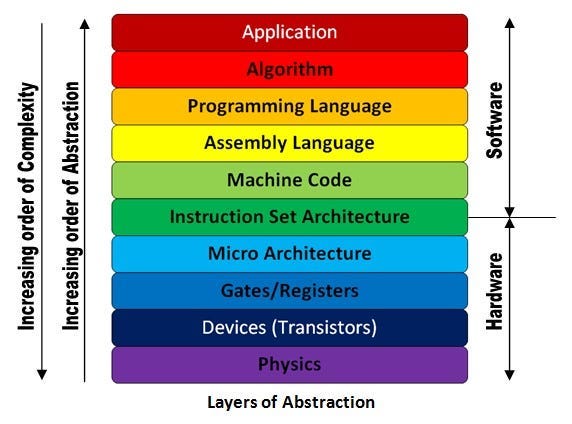
We have an opportunity to use the next layer of abstraction, just like a better paintbrush aiding a painter. It’s our responsibility to leverage our expertise and apply technology selectively, ensuring we understand the complexities and unknowns.
It’s by taking on difficult and unclear problems that we sharpen our internal tool, our mind. Using the cognitive bandwidth freed by advancements in tooling, we are more able to apply ourselves fully, like Sung Jin-woo. Do you need to type every key stroke? Doesn’t code get optimised by a compiler?
Sure, I hear you, why not slow down? That’s the right solution surely. This isn’t in our control to dictate. Though the pressure to move faster may feel inevitable in a competitive environment, intelligently applying these tools may offer us the cognitive breathing room to slow down our thinking process, focusing on deeper insights while maintaining output.
If you ship faster, you in turn learn faster and with this competitors will always be at least one step behind. They’ll never be able to catch up if done correctly.
Conclusion: a history lesson
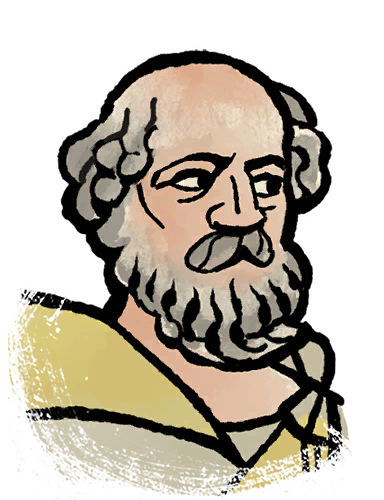
In our control is the ability to squeeze the world to fit our cognitive bandwidth; tools like LLMs can greatly help with this. Socrates worried that writing things down would cause one to have a bad memory, yet it’s empowered humanity’s collective memory to learn. Similarly, LLMs, if used thoughtfully, won’t weaken our skills as engineers; they’ll amplify our ability to manage complexity and innovate. Wisdom isn’t fearing change and what that may take from us, but instead embracing what positives it may unlock within us.